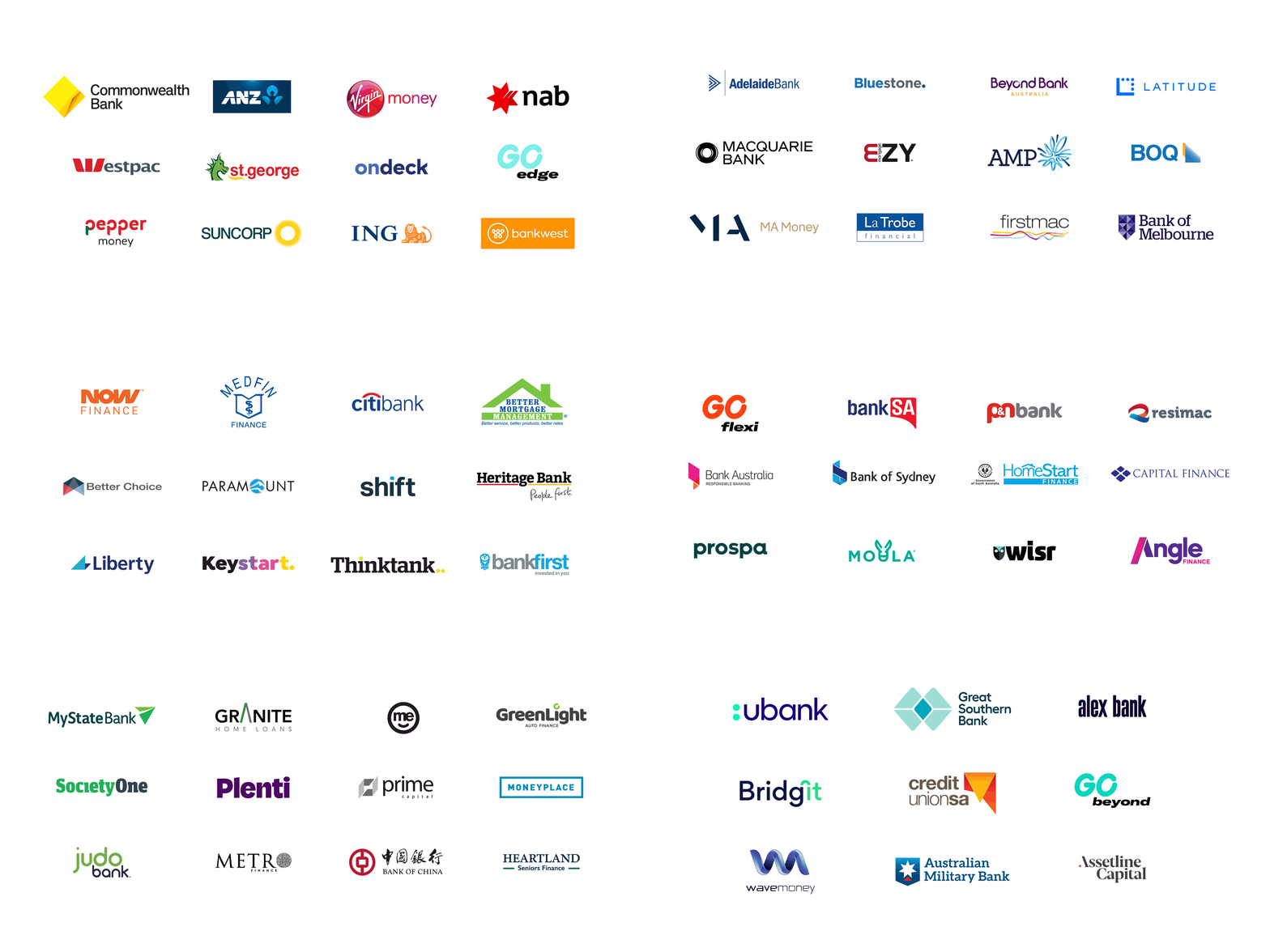
Loan Market brokers can compare over 60 lenders and thousands of loan products to find the right loan deal for you. They can also play hardball with your chosen lender to get you a competitive rate.
Loan Market brokers can compare over 60 lenders and thousands of loan products to find the right loan deal for you. They can also play hardball with your chosen lender to get you a competitive rate.
Home of the highest-rated brokers
Over 1,000
5 Star reviews
A Loan Market broker is by your side from start to finish. They can help you understand your borrowing power, suggest loan products, manage the application process and ensure settlement runs as smoothly as possible. And it doesn’t end there. Your broker can also help you with other loans, including car loans, and check your loan remains competitive over time. This could mean negotiating with your current lender or finding one that is better suited as your circumstances or the market changes.
A Loan Market broker is by your side from start to finish. They can help you understand your borrowing power, suggest loan products, manage the application process and ensure settlement runs as smoothly as possible. And it doesn’t end there. Your broker can also help you with other loans, including car loans, and check your loan remains competitive over time. This could mean negotiating with your current lender or finding one that is better suited as your circumstances or the market changes.
Sarah and the team are extremely helpful. They're always very responsive and accommodating.
They helped me settle on my first home as well as refinancing multiple times to make sure that I remained at a competitive rate with my lender.
I recommend them to all my friends & will continue to use them again in the future.
Nitish and his team were absolute life savers. As a first time home buyer, the process of buying a property was daunting and scary as we didn’t know what was happening or what to expect. Nitish and his team were so patient, caring and supportive throughout the whole process. They worked in our favour, delivering the home loan that suited our needs. We couldn’t have picked a better team to help us reach our dream of buying our first home.
Dan & his team at Loan Market Double Bay have been absolutely phenomenal. The guidance & care I’ve received throughout the whole process has made me feel so reassured that I’m in the right hands. The speed in which everyone has worked has been incredibly impressive to witness & everyone has been so helpful with any questions I’ve had. Massive thank you to the whole team & an extra special shout out to Thep!
Previous
Next
We come highly recommended.
Loan Market brokers can compare over 60 lenders and thousands of loan products to find the right loan deal for you. They can help you understand your borrowing power, suggest loan products and manage the application process.